
Budgeting for Wealth: Strategic Expense Cuts for Asset Acquisition
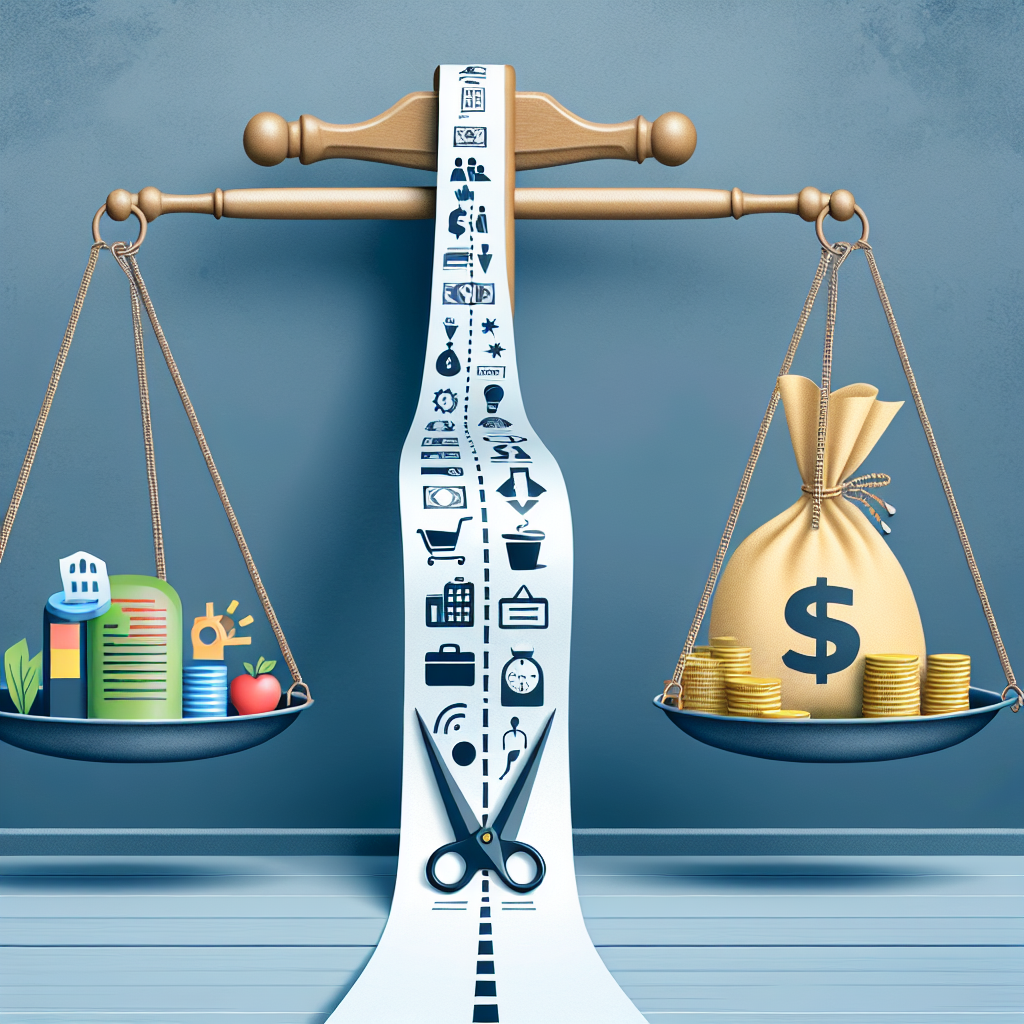
If you’re looking to build wealth and create a steady stream of income, one crucial strategy is to cut back on your expenses and invest in income-producing assets. But how can you do that? Well, it all starts with a mindset shift and a careful evaluation of your spending habits. By identifying areas where you can trim the fat and make smarter financial decisions, you’ll be well on your way to freeing up funds that can be put towards assets that generate a return. In this article, we’ll explore various practical tips and strategies to help you reduce your expenses and pave the way towards a brighter financial future.
Track Your Expenses
Identify Your Current Spending Habits
The first step in cutting back on expenses is to identify your current spending habits. Take a look at your bank statements and credit card bills to see where your money is going. Are you spending most of your money on dining out? Shopping? Entertainment? By understanding where your money is going, you can begin to make adjustments and find areas to cut back on.
Categorize and Prioritize Expenses
Once you have identified your current spending habits, it’s important to categorize and prioritize your expenses. Start by separating your expenses into different categories such as housing, transportation, food, utilities, entertainment, and debt. This will help you see where your money is being allocated and determine which areas can be reduced or eliminated altogether.
Look for Areas to Cut Back on Spending
After categorizing your expenses, it’s time to look for areas where you can cut back on spending. For example, if you notice that dining out is taking up a large portion of your budget, consider cooking meals at home more often or packing your lunch for work. If you find that your utility bills are high, look for ways to conserve energy and water, such as turning off lights when not in use or taking shorter showers. By making small changes in your spending habits, you can free up money to invest in income-producing assets.
Create a Budget
Set Financial Goals
Before creating a budget, it’s important to set financial goals. Determine what you want to achieve financially, whether it’s saving for a down payment on a house, paying off debt, or building an emergency fund. Having clear goals in mind will help you stay motivated and focused on cutting back on expenses.
Estimate Your Monthly Income
To create a budget, you need to first estimate your monthly income. This includes your salary, any additional sources of income, and any passive income you may have. Knowing your income allows you to determine how much you can allocate towards your essential expenses and investments.
Allocate Funds to Essential Expenses
Once you have estimated your monthly income, allocate funds to essential expenses. These include housing, transportation, groceries, utilities, and debt payments. Be mindful of how much you are spending in each category and look for ways to reduce these expenses if necessary.
Assign a Portion for Investment
Lastly, assign a portion of your income towards investment. This can be in the form of stocks, real estate, or any other income-producing assets that align with your financial goals. By prioritizing investments and setting aside a specific amount each month, you can begin to grow your wealth and generate passive income.
Reduce Housing Costs
Downsize Your Living Space
One effective way to cut back on housing costs is to downsize your living space. If you’re living in a large home or apartment, consider moving to a smaller space that better fits your needs. Downsizing can not only save you money on rent or mortgage payments, but it can also reduce your utility bills and maintenance costs.
Consider a Roommate or Co-Living Arrangement
Another option to reduce housing costs is to consider a roommate or co-living arrangement. This can help split the rent and other housing expenses, making it more affordable for everyone involved. Just make sure to choose a roommate or co-living arrangement with someone you trust and get along with.
Cut Transportation Expenses
Use Public Transportation
One of the biggest expenses for many people is transportation. Consider using public transportation instead of owning and maintaining a car. Public transportation is often more cost-effective and can help you save money on gas, parking, and car repairs. Plus, it’s a greener option that can benefit the environment.
Carpool or Share Rides
If public transportation is not an option, try carpooling or sharing rides with friends, neighbors, or coworkers. This allows you to split the cost of gas and reduce wear and tear on your vehicle. Additionally, carpooling can help reduce traffic congestion and contribute to a more sustainable commuting system.
Consider Downsizing Your Vehicle
If you currently own a large vehicle or a vehicle with high maintenance and fuel costs, consider downsizing to a smaller and more fuel-efficient option. This can significantly reduce your transportation expenses over time, especially when considering factors such as insurance, gas mileage, and maintenance.
Save on Food Expenses
Cook Meals at Home
A major expense for many individuals and families is dining out. By cooking meals at home, you can save a substantial amount of money. Plan your meals in advance, create a grocery list, and stick to it when shopping. Cooking at home allows you to have control over the ingredients and portion sizes, making it both healthier and more cost-effective.
Plan Meals and Make a Grocery List
One of the best ways to save money on groceries is to plan your meals and make a grocery list. Knowing exactly what you need prevents impulse purchases and reduces food waste. Take advantage of sales and coupons to further maximize your savings. Consider buying in bulk for frequently used items to save even more in the long run.
Use Coupons and Shop Sales
Coupons and sales can be another excellent way to save on food expenses. Before going grocery shopping, look for coupons online or in your local newspaper. Many grocery stores also offer weekly sales on specific items or provide loyalty programs that offer discounts. By being aware of these opportunities, you can cut down on your food expenses without sacrificing quality or nutrition.
Minimize Utility Bills
Conserve Energy and Water
To minimize utility bills, make an effort to conserve energy and water. Simple actions such as turning off lights when not in use, unplugging electronic devices when not in use, using energy-efficient light bulbs, and adjusting your thermostat can make a significant difference in your monthly bills. Conserving water by fixing leaky faucets, taking shorter showers, and watering plants efficiently can also help reduce expenses.
Opt for More Efficient Appliances
Consider upgrading to more energy-efficient appliances. Newer appliances are often designed to be more environmentally friendly and use less energy, resulting in lower utility bills over time. Look for appliances with the Energy Star label, which signifies that they meet or exceed energy efficiency guidelines set by the Environmental Protection Agency.
Negotiate Lower Rates or Switch Providers
If you’re not satisfied with your current utility rates, consider negotiating with your providers. Many utility companies are willing to offer discounts or lower rates to retain customers. Additionally, you can research alternative providers to see if switching could save you money. Comparing rates and services can help you find the most cost-effective options for your needs.
Reduce Entertainment Costs
Evaluate Subscription Services
Evaluate your subscription services and determine if they are worth the cost. Consider canceling or downsizing subscriptions that you don’t use or don’t bring you significant value. It’s easy to accumulate multiple streaming services, magazine subscriptions, gym memberships, and more. By eliminating or reducing unnecessary subscriptions, you can free up money for investing or other essential expenses.
Opt for Free or Low-Cost Activities
When it comes to entertainment, there are often free or low-cost activities available in your community. Look for local events, festivals, concerts, and parks that offer free admission or low-cost tickets. Take advantage of libraries, which typically offer free access to books, movies, and other forms of entertainment. Get creative and explore affordable options that provide enjoyment without breaking the bank.
Borrow Books and Movies from the Library
Instead of purchasing books and movies, consider borrowing them from your local library. Libraries offer a wide selection of books, audiobooks, movies, and even streaming services that you can access at no cost. This not only saves money but also encourages you to discover new titles and authors you might not have considered before.
Manage Debt
Consolidate and Refinance Loans
If you have multiple loans with high-interest rates, consider consolidating or refinancing them into one loan with a lower interest rate. This can help lower your monthly payments and save you money over time. Research lenders and loan options to find the best terms and rates that suit your financial situation.
Negotiate Lower Interest Rates
Reach out to your current creditors and negotiate lower interest rates on your existing debt. Many creditors are willing to work with you to create a more manageable payment plan or lower your interest rates, especially if you have a good payment history. This can help ease the burden of debt and allow you to allocate more funds towards investing in income-producing assets.
Create a Debt Repayment Plan
Develop a debt repayment plan to systematically pay off your debts. Start by listing all your debts, including their interest rates and minimum monthly payments. Depending on your financial situation, you can focus on either the debt with the highest interest rate (debt avalanche method) or the debt with the smallest balance (debt snowball method). By staying committed to a debt repayment plan, you can eventually become debt-free and have more money available for investment.
Eliminate Unnecessary Expenses
Audit Subscriptions and Memberships
Take a closer look at your subscriptions and memberships to determine if they are necessary. Are there any that you no longer use or can live without? Canceling or reducing these expenses can significantly impact your monthly budget. Be honest with yourself about what you truly need and value.
Cut Back on Impulse Purchases
Impulse purchases can quickly add up and drain your bank account. To cut back on unnecessary expenses, try implementing a waiting period before making non-essential purchases. This gives you time to evaluate whether the item is truly necessary or if it’s just a fleeting desire. By curbing impulse purchases, you can redirect that money towards your investments.
Avoid Unnecessary Fees
Be mindful of unnecessary fees that can eat into your budget. This includes things like ATM fees, late payment fees, overdraft fees, and monthly service fees. By staying organized and keeping track of your accounts and payments, you can avoid these unnecessary fees and save money in the long run.
Increase Income Sources
Seek a Pay Raise or Promotion
Consider seeking a pay raise or promotion at your current job. Evaluate your performance and accomplishments, and present your case to your employer. Highlight the value you bring to the company and why you deserve a higher salary or a promotion. By increasing your income at your current job, you can generate more funds to invest in income-producing assets.
Start a Side Hustle or Freelance Work
Explore opportunities for side hustles or freelance work that can bring in additional income. This can be anything from freelancing in your area of expertise to starting a small online business. Look for ways to leverage your skills and passions to earn extra money. Side hustles can be a great way to diversify your income and accelerate your journey towards financial independence.
Rent Out Spare Space or Assets
If you have spare space or assets, consider renting them out to generate additional income. This could be renting out a room in your home through platforms like Airbnb, or renting out items such as a car, camera equipment, or tools. Make sure to research local laws and regulations and set clear terms and conditions for the rental to protect yourself and your assets.
By implementing these strategies and making conscious choices about your spending habits, you can cut back on expenses and free up money to invest in income-producing assets. Remember, the key is to be consistent and stay focused on your financial goals. With determination and smart financial planning, you can achieve financial stability and build a brighter future.
FAQ’s
Q: How can I reduce my expenses to invest in income-producing assets?
A: You can start by carefully analyzing your income and expenses and identifying areas where you can cut back. This could involve reducing non-essential expenses, finding ways to save on essential expenses, and making smart choices about your spending habits.
Q: What are income-producing assets?
A: Income-producing assets are investments that generate ongoing income, such as dividend-paying stocks, certificates of deposit, rental properties, and bonds.
Q: How can I invest for income?
A: You can invest for income by focusing on assets that are known for generating regular income, such as dividend-paying stocks, bonds, and real estate investment trusts (REITs).
Q: What are some tax deductions I should consider when investing for income?
A: When investing for income, you may be able to take advantage of tax deductions related to investment expenses, such as investment account fees, interest expenses on investment loans, and certain investment advisory fees. Consult with a tax professional for personalized advice.
Q: What is a dividend and how does it relate to income-producing assets?
A: A dividend is a distribution of a portion of a company’s earnings to its shareholders. Dividend-paying stocks and funds are a common type of income-producing asset, as they provide regular income to investors.
Q: Are dividends taxable?
A: Yes, dividends are generally taxable as investment income. However, there are certain tax-advantaged accounts and investments, such as retirement accounts and municipal bonds, that may offer tax benefits on dividend income. It is important to consider the tax implications of dividends when planning your investment strategy.
Q: How can I invest the difference in income-producing assets?
A: If you are able to cut back on expenses and free up additional funds, you can consider investing the difference in income-producing assets, such as dividend-paying stocks, bonds, or other investments that generate regular income.
Q: What are some examples of income-producing assets I can consider including in my portfolio?
A: Some examples of income-producing assets to include in your investment portfolio are dividend-paying stocks, bonds, real estate investment trusts (REITs), and high-yield savings accounts. These assets can help you generate regular income and build wealth over the long term.
Q: How can I manage my expenses and cash flow to prioritize investing in income-producing assets?
A: You can prioritize investing in income-producing assets by carefully managing your expenses, identifying areas where you can cut back, and creating a budget that allocates a portion of your income towards investments. By focusing on increasing your income and reducing non-essential expenses, you can create more room for investing.